Cortisol Belly Fat: 7 Natural Ways to Reduce Stress Hormones & Slim Your Waist
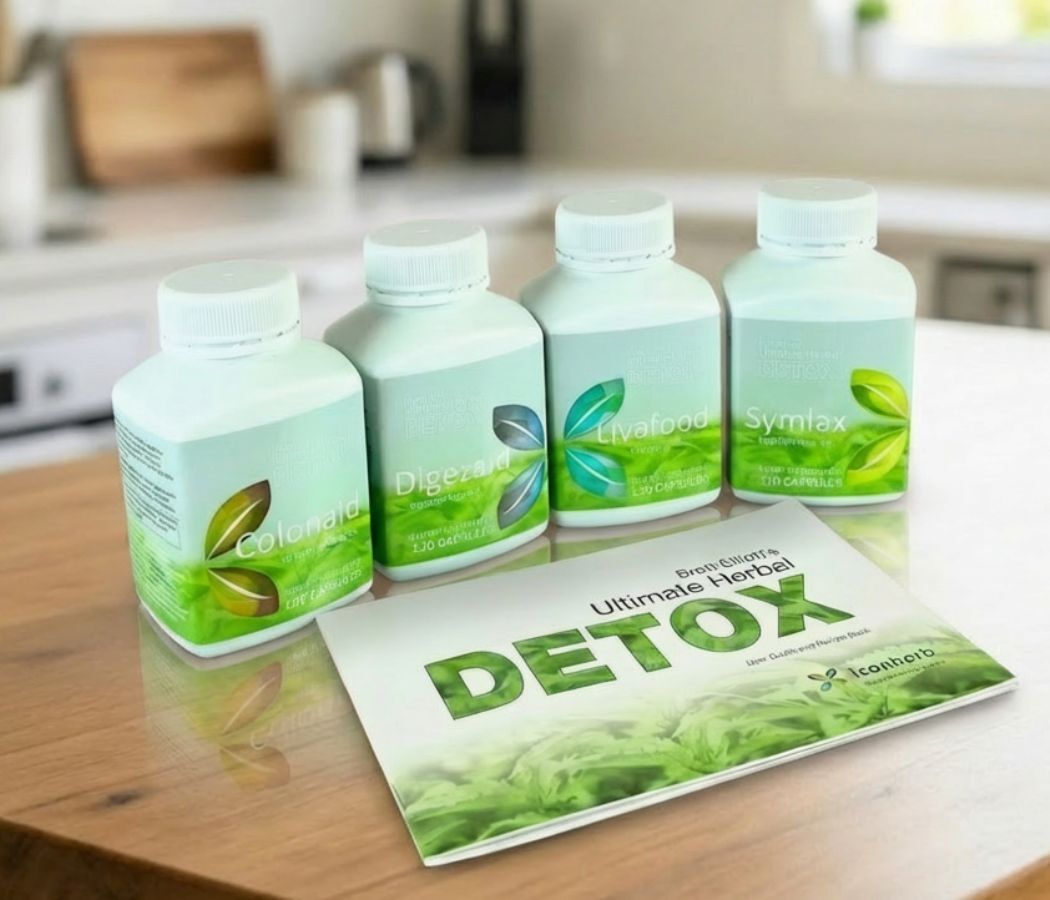
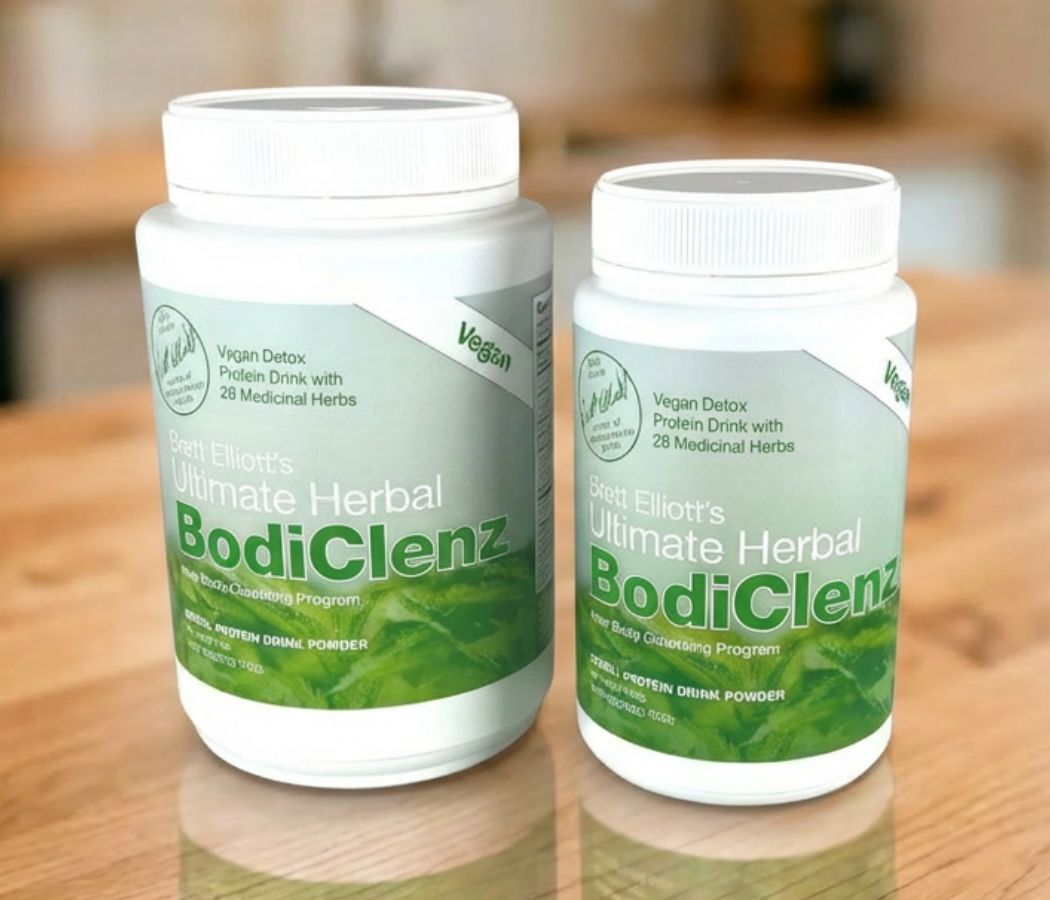
49 seconds ago13Minutes2675Words7ViewsArticle References Article If you’re staring at that stubborn belly fat that just won’t budge, even when you’re eating “healthy” and hitting the gym, you’re not alone. That midsection fat often screams cortisol weight gain, which is the result of chronic stress keeping your body’s fight-or-flight hormone on overdrive. High cortisol promotes fat storage around the organs (visceral fat), ramps up cravings for sugary/comfort foods, disrupts sleep, and tanks energy. References (1) An investigation into the stress-relieving and pharmacological actions of an ashwagandha (Withania somnifera) extract: A randomized, double-blind, placebo-controlled study. https://pubmed.ncbi.nlm.nih.gov/31517876/ (2) A randomised, double-blind, placebo-controlled, parallel-group study of the standardised extract shr-5 of the roots of Rhodiola rosea in the treatment of subjects with stress-related fatigue. https://pubmed.ncbi.nlm.nih.gov/19016404/ (3) Schisandra chinensis and Rhodiola rosea exert an anti-stress effect on the HPA axis and reduce hypothalamic c-Fos expression in rats subjected to repeated stress https://pmc.ncbi.nlm.nih.gov/articles/PMC4727095/ (4) A randomized, double-blind, placebo-controlled trial of Schisandra chinensis for menopausal symptoms. https://pubmed.ncbi.nlm.nih.gov/27763802/ (5) Kava in the treatment of generalized anxiety disorder: a double-blind, randomized, placebo-controlled study. https://pubmed.ncbi.nlm.nih.gov/23635869/ (6) Kava as a Clinical Nutrient: Promises and Challenges. https://pmc.ncbi.nlm.nih.gov/articles/PMC7600512/ (7) Kava extract versus placebo for treating anxiety. https://pmc.ncbi.nlm.nih.gov/articles/PMC6999799/ (8) Feed your microbes to deal with stress: a psychobiotic diet impacts microbial stability and perceived stress in a healthy adult population. https://pubmed.ncbi.nlm.nih.gov/36289300/ (9) Fermented foods, the gut and mental health: a mechanistic overview with implications for depression and anxiety https://pubmed.ncbi.nlm.nih.gov/30415609/ (10) Effect of Probiotics Supplementation on Cortisol Levels: A Systematic Review and Meta-Analysishttps://pmc.ncbi.nlm.nih.gov/articles/PMC11510182/ (11) Efficacy of probiotics on stress in healthy volunteers: A systematic review and meta‐analysis based on randomized controlled trialshttps://pmc.ncbi.nlm.nih.gov/articles/PMC7507034/ (12) Probiotic Lactobacillus casei strain Shirota relieves stress-associated symptoms by modulating the gut-brain interaction in human and animal modelshttps://pubmed.ncbi.nlm.nih.gov/26896291/ The Good News You can tackle this naturally with a targeted, plant-powered approach. In my 25+ years helping over 120,000 people worldwide through herbal detox programs. I’ve seen massive transformations when we combine detoxification to clear inflammatory toxins, adaptogenic and liver-supporting herbs to balance hormones, nutrient-dense plant foods to stabilize blood sugar, and simple body-mind practices to lower baseline stress. This isn’t quick-fix hype. It’s grounded in science and real results from my Ultimate Herbal DETOX and BodiClenz programs. Let’s break it down step by step into a practical protocol you can adapt for your own use. I’ll dive deeper into the science behind stress, cortisol, and the HPA axis, explaining how they drive weight gain, with references to back it up. Then, we’ll explore the 7 natural ways to fight back, followed by a 4-week plan to put it all into action. Why Cortisol Becomes Your Waistline’s Worst Enemy The Science Behind the enigma. Understanding the “why” empowers you to fix it. Stress isn’t just mental; it’s a full-body cascade starting in your brain. At the core is the hypothalamic-pituitary-adrenal (HPA) axis, your body’s central stress response system. When you face stress, whether from work deadlines, traffic, or emotional turmoil, the hypothalamus (a brain region) releases corticotropin-releasing hormone (CRH). This signals the pituitary gland to pump out adrenocorticotropic hormone (ACTH), which then tells your adrenal glands (sitting atop your kidneys) to churn out cortisol. Cortisol Is Your Survival Hormone It mobilizes energy by raising blood sugar (gluconeogenesis), suppresses non-essential functions like digestion and immunity, and keeps you alert. In short bursts, it’s lifesaving—like escaping danger. But in our modern world, chronic stress factors, like endless emails, financial worries, poor sleep, or even hidden inflammation from toxins keep the HPA axis in contstant overdrive, leading to dysregulation. This is where cortisol stays elevated too long or spikes erratically. Chronically high cortisol messes with metabolism in sneaky ways. Hormonal Havoc Elevated cortisol suppresses the sex hormones testosterone and estrogen, and growth hormone, which are key for muscle maintenance and fat burning. It also disrupts leptin (satiety hormone) and boosts neuropeptide Y (hunger driver), making you “leptin resistant” and prone to overeating. Plus, cortisol ramps up inflammation and oxidative stress, damaging cells and accelerating aging. Fat Storage Disruption Cortisol promotes lipogenesis (fat creation) especially in visceral (abdominal) fat depots. It does this by upregulating enzymes like lipoprotein lipase, which pulls fats into cells for storage. Studies show that stressed folks with high cortisol gain more abdominal fat over time, even if calories are controlled. Visceral fat is dangerous because it’s metabolically active, releasing inflammatory cytokines that worsen insulin resistance and heart risks. The Blood Sugar Rollercoaster Cortisol counters insulin, causing hyperglycemia (high blood sugar). Your body responds by cranking out more insulin, but over time, cells become insulin resistant. This leads to cravings for carbs and sweets (to “fix” the energy dips), perpetuating weight gain. Links To Metabolic Syndrome High cortisol correlates with obesity, hypertension, and type 2 diabetes precursors. The Vicious Cycle Poor sleep from high cortisol feeds back into more stress (cortisol peaks in the morning but stays high at night in stressed people). Add in gut issues, as stress alters the microbiome, leading to leaky gut and more inflammation, which signals the HPA axis to produce even more cortisol. The Bottom Line Chronic HPA activation turns your body into a fat-storing machine, especially around the belly. But here’s the flip side; interventions like detox, herbs, and plant foods can reset this axis by reducing inflammation, supporting liver detox (where cortisol is metabolized), and calming the nervous system. Plant-based strategies show promise in lowering cortisol and improving weight control. The 7 Natural Ways to Reduce Stress Hormones & Slim Your Waist Now, let’s get practical. These 7 ways draw from science-backed strategies to dial down cortisol, support your HPA axis, and target belly fat. They’re built around my herbal programs, adaptogens, plant foods, and body-mind tools. Incorporate them progressively for best results. I’ll tie them into a 4-week protocol below. 1: Kickstart with a Herbal Detox Cleanse to Clear Toxins Toxins from processed foods, pollutants, meds, and even stress itself burden the liver, spiking inflammation and indirectly elevating cortisol by keeping the HPA axis on alert. Your liver is cortisol’s main breakdown hub, via enzymes like